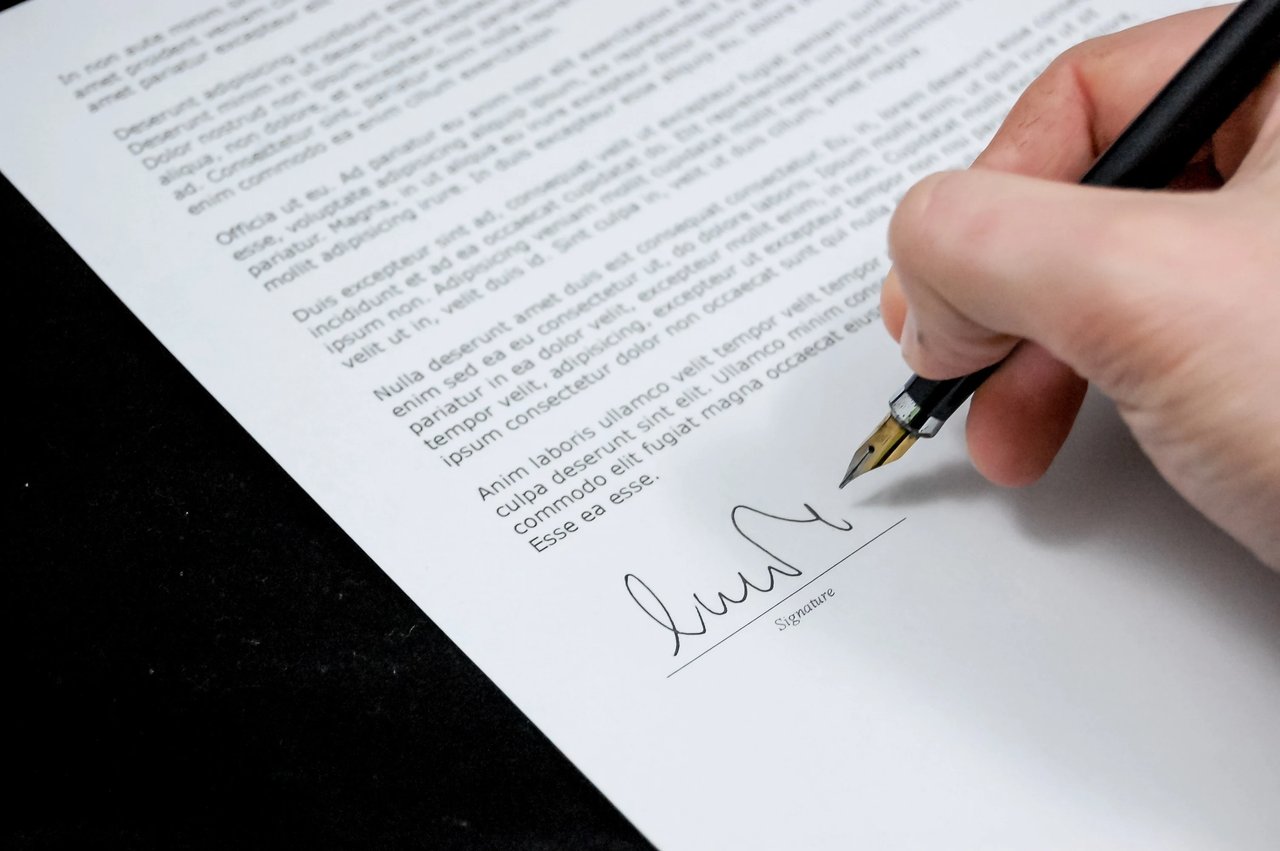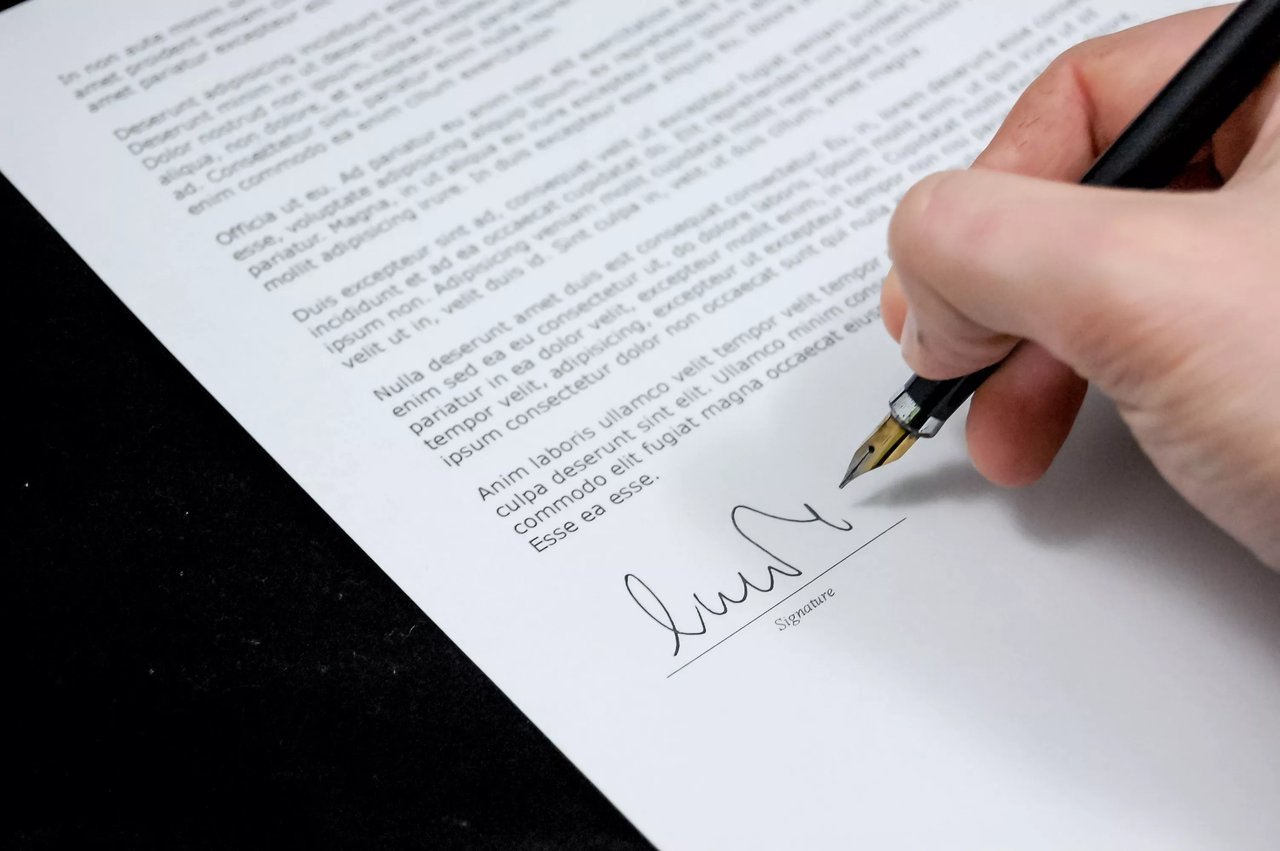
The home closing process feels like the home stretch to sellers -- you've done all the work to get the house ready to sell, marketed it in an attractive way to buyers, and now you're ready to move. Although there is a lot you'll have to do if you're like many sellers before you're ready to hand over ownership (moving comes to mind), there's also a lot that needs to happen in the closing process before everything is legally able to transfer to a new owner and you can move on with your life. What should you expect from a typical real estate closing? Every transaction is different, just like every home, but these are the general steps that you can anticipate and plan to move through as you get ready to cash that check and leave the house behind you. **Negotiate an offer** Maybe the first offer you got was the best one and you didn't have to go through much of a process -- but maybe there were multiple offers that were relatively equivalent, or maybe you had to drop the price of the home a time or two before getting a nibble. No matter what the scenario, negotiating an offer that both sides consider to be fair is the first thing that needs to happen in the closing process. **Under contract!** When both the buyer and the seller agree on the price and the terms, you're officially under contract. **Open an escrow account** The buyer will have to prepare to fork over some money to show that they are serious about the home purchase and to fulfill the terms of the contract. **Deposit the earnest money** This will likely land in the buyer's hands more than yours; the buyer will need to secure a cashier's check and deposit any earnest money that was agreed upon during the contract period. **Hire an attorney?** Attorneys are required to help oversee real estate transactions in some states, but not in every state. **Get an inspection** You may have already gotten an inspection before you put the house on the market to help showcase its condition to buyers -- but unfortunately, the home will still need to be inspected before closing if the buyer is securing a mortgage loan to buy the house. **Obtain an appraisal** Most mortgage lenders are also going to require an appraisal in order to approve the loan. **The title search** Another hoop to jump through in the closing process is the title search and, sometimes, a survey to outline the property boundaries. **Clear contingencies** The contract you signed with the buyer will likely have some contingencies attached. **Mortgage approved and Closing Disclosure** While you've been waiting for the home to close, the buyer has been busy getting all of the mortgage ducks in a row for closing. **Prepare for closing costs** There are a number of entities contributing to the sale of the home that will need to be paid at closing, including the title company, and fees that have to be handled, such as transfer tax fees. **Walk through one last time** Usually one or two days before the closing is scheduled, the buyers will want to walk through the home a final time to make sure everything is in order. **The closing table** The buyer will have to sign the bulk of the paperwork at the closing table, and you might not even need to go if you don't want to.